A theatre district in miniature
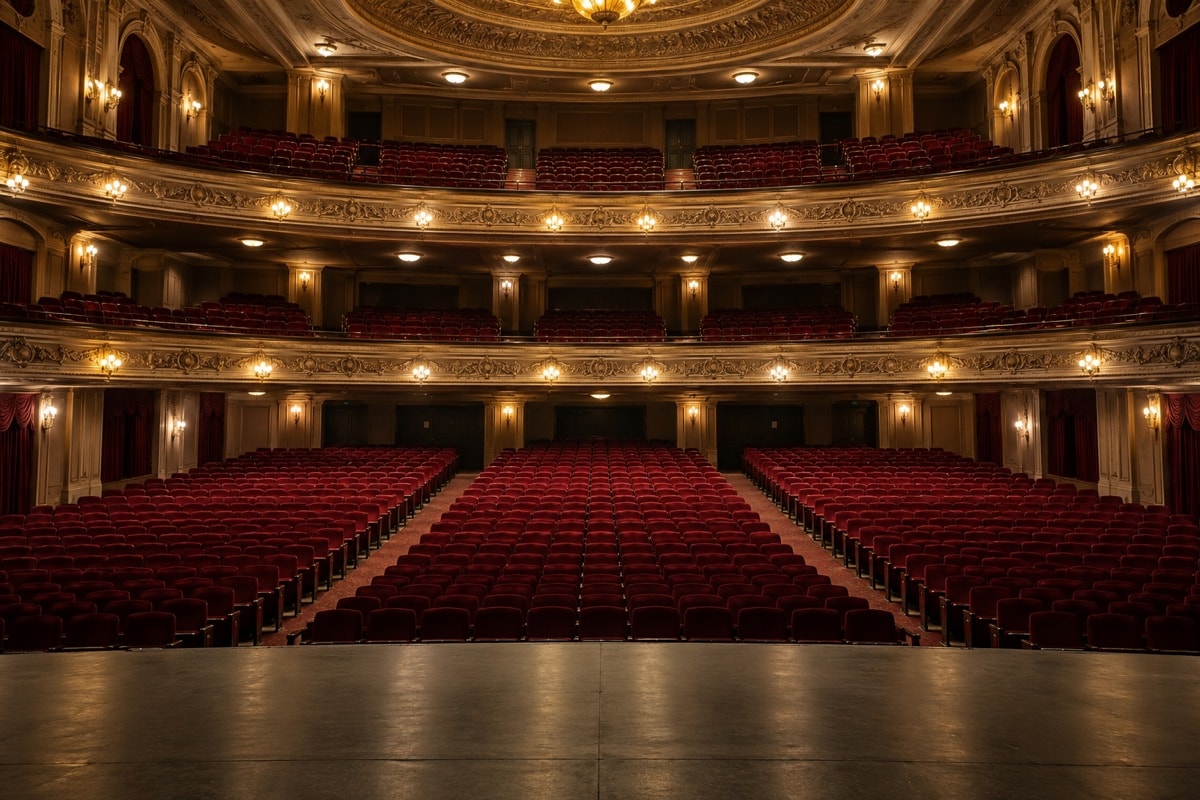
Atlantic Street holds an unusually compact story of American performance. One building began as a vaudeville and film house in 1927; another opened nearby in 1992 with both a proscenium auditorium and a black-box room. Together they show how a downtown arts center can span the ornate scale of a movie palace and the adaptable intimacy of a studio. The buildings sit within a few blocks of each other, yet each asks audiences and artists to experience space in a different way.
This guide looks at those places from the outside: as architecture, working theatres, civic rooms and points of connection within Stamford. A published overview of the two facilities supplies the basic dates, capacities and building types. From there, the pages here explain the wider theatrical ideas around them without speaking for a venue or presenting a current programme.
What happens before the curtain
A live event starts long before an audience enters. A season has to balance touring schedules, resident companies, technical requirements, staffing and the shape of each room. A production team studies the proscenium opening, wings, rigging, load-in path, orchestra pit, lighting positions and sound needs. Front-of-house workers then prepare the public spaces, coordinate access arrangements and help people find their seats.
Those systems can seem invisible when they work well. Looking closely makes a visit richer. A balcony is not only a price category; it is part of an architectural composition and a particular listening angle. A fly rail is not backstage decoration; it is one element in a coordinated method for moving scenery. An usher is not merely pointing toward a row; that role connects audience care, safety and the performance schedule.
A mixed stage
Regional theatres often hold more than one artistic world. Orchestra concerts, ballet, touring musical theatre, plays, popular music, jazz, cabaret, tribute concerts, stand-up, stage illusion and family performance all make different demands of the same basic room. Some need an orchestra pit and a large scenic package. Others depend on a microphone, an attentive audience and the tension of a single figure in a pool of light.
The performance guides describe these forms rather than listing events. They explain what to notice, why a historic auditorium can change the feeling of amplified music, how puppetry directs attention, and how a one-person show builds scale through voice and timing. A separate page introduces the resident-company model through the orchestra and ballet associated with the downtown stage.
Using the guide
Readers planning an evening can start with the visitor primer, accessibility guide, seating overview and downtown travel page. Students and curious audience members may prefer the stage, staff, press and season-planning articles. The education pages discuss broad approaches to youth training and school partnerships, while the performer-health article surveys how researchers frame the physical work of dancers, musicians and singers.
Every page is general reference material. Event schedules, admission sales, venue policies and access details change, so those belong with the presenting venue. This guide has no sales channel, booking service, rental desk, mailing list or contact form. Its purpose is slower: to make the buildings, jobs and performance forms of downtown theatre easier to read.